The 12 Tribes of Israel: Names, Land and Where You Meet Them in the Bible (2026)
The 12 tribes of Israel descend from the twelve sons of Jacob, whom God renamed Israel: Reuben, Simeon, Levi, Judah, Dan, Naphtali, Gad, Asher, Issachar, Zebulun, Joseph and Benjamin. When the land was divided, Levi received cities instead of territory and Joseph's share went to his sons Ephraim and Manasseh, so twelve tribes still held land.
If you read through the Bible, the tribes come back again and again in long lists of names. Genesis 49, Numbers 1 to 2 and Joshua 13 to 21 are the places where many readers slow down or stop. This guide is a plain reference you can keep open beside those chapters: who the tribes were, a chart of each one, why the lists change, and where you meet them as you read.

Who Were the 12 Tribes of Israel?
The tribes are named for the sons of Jacob. In Genesis 32, Jacob wrestles through the night with someone the text calls "a man" (Genesis 32:24, NHEB, excerpt). Readers and traditions identify that figure in different ways, and at daybreak Jacob is told his name will now be Israel (Genesis 32:28).
God confirms the new name a few chapters later: "He named him Israel." (Genesis 35:10, NHEB, excerpt). That is why the Bible calls the whole people "the children of Israel" (Numbers 2:2, NHEB, excerpt). Each tribe is the family line of one son.
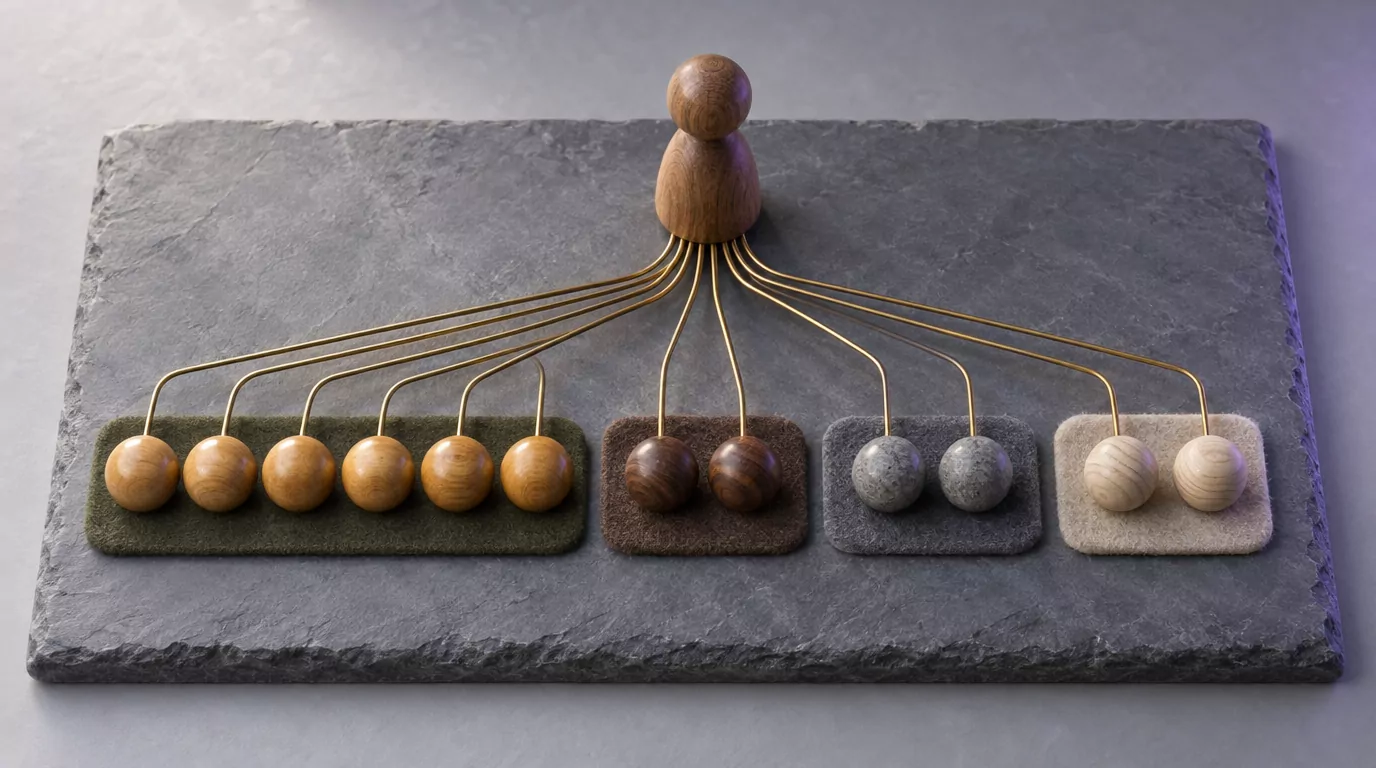
Genesis 35:22-26 lists the twelve sons by their four mothers: "Now the sons of Jacob were twelve." (Genesis 35:22, NHEB, excerpt). Leah had six sons and Rachel had two. Bilhah and Zilpah, the two handmaids, had two each.
Jacob was the son of Isaac and the grandson of Abraham. So if you ask who the tribes were "according to Abraham," they are the families of his great-grandsons. Matthew 1:2 traces that same line from Abraham to Isaac, Jacob and "Judah and his brothers" (NHEB, excerpt).
Scholars also study how the twelve-tribe tradition took shape over time. Andrew Tobolowsky, writing for Bible Odyssey from the Society of Biblical Literature, surveys several views on that question. This guide follows the way the biblical text itself presents the tribes.
The 12 Sons of Jacob in Birth Order
Genesis 29:31 to 30:24 tells of the births of eleven sons, and Genesis 35:16-18 adds the twelfth. In most cases the mother gives a reason for the name. The reasons below follow the NHEB text of Genesis, in paraphrase unless they are in quotation marks.
- Reuben (Leah). Leah says the Lord has looked at her affliction (Genesis 29:32).
- Simeon (Leah). She says the Lord has heard that she is hated and has given her this son too (Genesis 29:33).
- Levi (Leah). She hopes her husband will now be joined to her (Genesis 29:34).
- Judah (Leah). "This time will I praise the Lord." (Genesis 29:35, NHEB, excerpt)
- Dan (Bilhah, Rachel's handmaid). Rachel says God has judged her and heard her voice (Genesis 30:6).
- Naphtali (Bilhah). Rachel speaks of wrestling with her sister and winning (Genesis 30:8).
- Gad (Zilpah, Leah's handmaid). "How fortunate!" (Genesis 30:11, NHEB, excerpt)
- Asher (Zilpah). Leah says she is happy and that women will call her happy (Genesis 30:13).
- Issachar (Leah). Leah says God has given her "my hire," an old word for wages (Genesis 30:18, NHEB, excerpt).
- Zebulun (Leah). She says God has given her a good dowry, and she hopes her husband will live with her (Genesis 30:20).
- Joseph (Rachel). "May the Lord add another son to me." (Genesis 30:24, NHEB, excerpt)
- Benjamin (Rachel). Rachel dies giving birth on the road to Ephrath. She names the baby Benoni, and Jacob names him Benjamin (Genesis 35:16-19).
Dinah, Leah's daughter, is born after Zebulun (Genesis 30:21). She is part of the family story, but no tribe carries her name.
Many study charts also give a short meaning for each Hebrew name, such as "see, a son" for Reuben. Those glosses come from Bible dictionaries and scholars who explain the wordplay in Hebrew. They can help, but they are notes about the text, not the text itself.
The 12 Tribes of Israel Chart: Mother, Land and Later Appearances
This chart keeps the tribes in birth order and adds Joseph's two sons, so it has 14 rows. Words like "north" and "the south" are general directions. The cited chapters give the actual borders.
| Tribe | Mother (or father) | Land in the text | Where you meet it later |
|---|---|---|---|
| Reuben | Leah | East of the Jordan (Numbers 32:33; Joshua 13:15-23). | Named as Jacob's firstborn (Genesis 35:23). |
| Simeon | Leah | Towns inside Judah's land (Joshua 19:1-9). | Receives the second lot in Joshua 19. |
| Levi | Leah | No territory. It had 48 cities among the other tribes (Joshua 13:33; 21:41). | Moses' parents are from the house of Levi (Exodus 2:1). Aaron and his sons serve as priests, with the rest of the tribe joined to them (Numbers 18:1-2). |
| Judah | Leah | The south (Joshua 15). | David's family line through Perez (Ruth 4:12, 18-22). Jesus' genealogy (Matthew 1:2-3; Hebrews 7:14). |
| Dan | Bilhah | Land in Joshua 19:40-48, then Leshem in the north, renamed Dan (Joshua 19:47). Judges 18:29 gives its earlier name as Laish. | Samson's father, Manoah, is a Danite (Judges 13:2). |
| Naphtali | Bilhah | The far north (Joshua 19:32-39). | Barak comes from Kedesh Naphtali (Judges 4:6). |
| Gad | Zilpah | East of the Jordan in Gilead (Numbers 32:33; Joshua 13:24-28). | Asks Moses for land east of the Jordan, with Reuben (Numbers 32). |
| Asher | Zilpah | The northern coast (Joshua 19:24-31). | Anna the prophetess (Luke 2:36). |
| Issachar | Leah | The north (Joshua 19:17-23). | Tola the judge (Judges 10:1). |
| Zebulun | Leah | The north (Joshua 19:10-16). | Elon the judge (Judges 12:11). |
| Joseph | Rachel | No tribal share in his own name. The lot for Joseph's children went to his two sons (Joshua 14:4; 16:1-4). | The Joseph story fills Genesis 37 to 50. |
| Ephraim | Joseph's son | The central hill country (Joshua 16). | Joshua son of Nun, first called Hoshea (Numbers 13:8, 16). |
| Manasseh | Joseph's son | Half east of the Jordan (Joshua 13:29-31) and half west (Joshua 17). | Gideon (Judges 6:15). |
| Benjamin | Rachel | Between Judah and Joseph (Joshua 18:11). | King Saul (1 Samuel 9:1-2) and Paul (Philippians 3:5). |
Want to see the land? Wikimedia Commons has a map of the tribal territories you can open beside the book of Joshua. Maps like this are modern drawings, and some borders are drawn in different ways.
Charts that give each tribe a color or gemstone draw on later tradition: Numbers 2:2 mentions banners and Exodus 28:21 sets a stone for each tribe's name, but neither passage says which goes with which tribe. Tribal symbols such as a lion for Judah often borrow images from Jacob's words in Genesis 49 (Genesis 49:9).
Why the Lists of Tribes Change
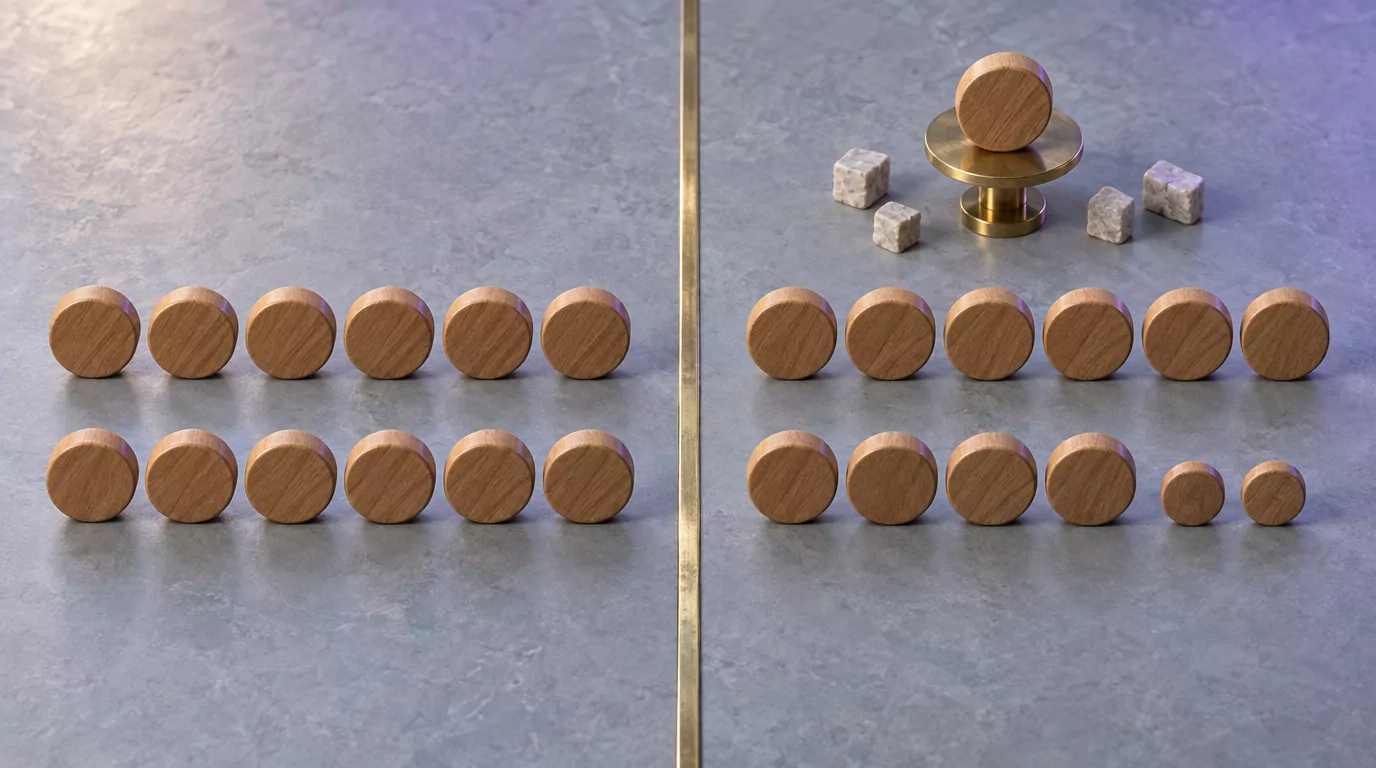
Here is the key to every tribal list: the count stays at twelve, but who is counted depends on what the list is for. A family list names Jacob's twelve sons. A land list leaves out Levi and counts Joseph's two sons as two tribes.
Levi Received Cities, Not Territory
In the census of Numbers 1, Levi is not counted with the men able to go to war. Instead, the Levites are put in charge of the tabernacle and camp around it (Numbers 1:47-50).
When the land is divided, the book of Joshua makes the same point:
"But to the tribe of Levi Moses gave no inheritance. The Lord, the God of Israel, is their inheritance, as he spoke to them." (Joshua 13:33, NHEB)
In practice, the Levites lived in towns spread through the other tribes. Joshua 21:41 counts 48 Levite cities in all. Each came with land around it for their livestock (Joshua 14:4).
Joseph Became Two Tribes: Ephraim and Manasseh
Near the end of his life in Egypt, Jacob speaks to Joseph and claims Joseph's two sons as his own:
"Ephraim and Manasseh, even as Reuben and Simeon, will be mine." (Genesis 48:5, NHEB, excerpt)
Joshua 14:4 later states the result: "For the children of Joseph were two tribes, Manasseh and Ephraim" (NHEB, excerpt). So when Levi steps out of the land lists, Ephraim and Manasseh fill the gap. Twelve tribes still hold land.
Other Lists You Will Notice
Bible Odyssey counts roughly twenty-six lists of the tribes in the Bible. Most readers notice three of them:
- Genesis 49: Jacob speaks to his twelve sons, with Levi and Joseph included. You can read it on the Genesis 49 chapter page.
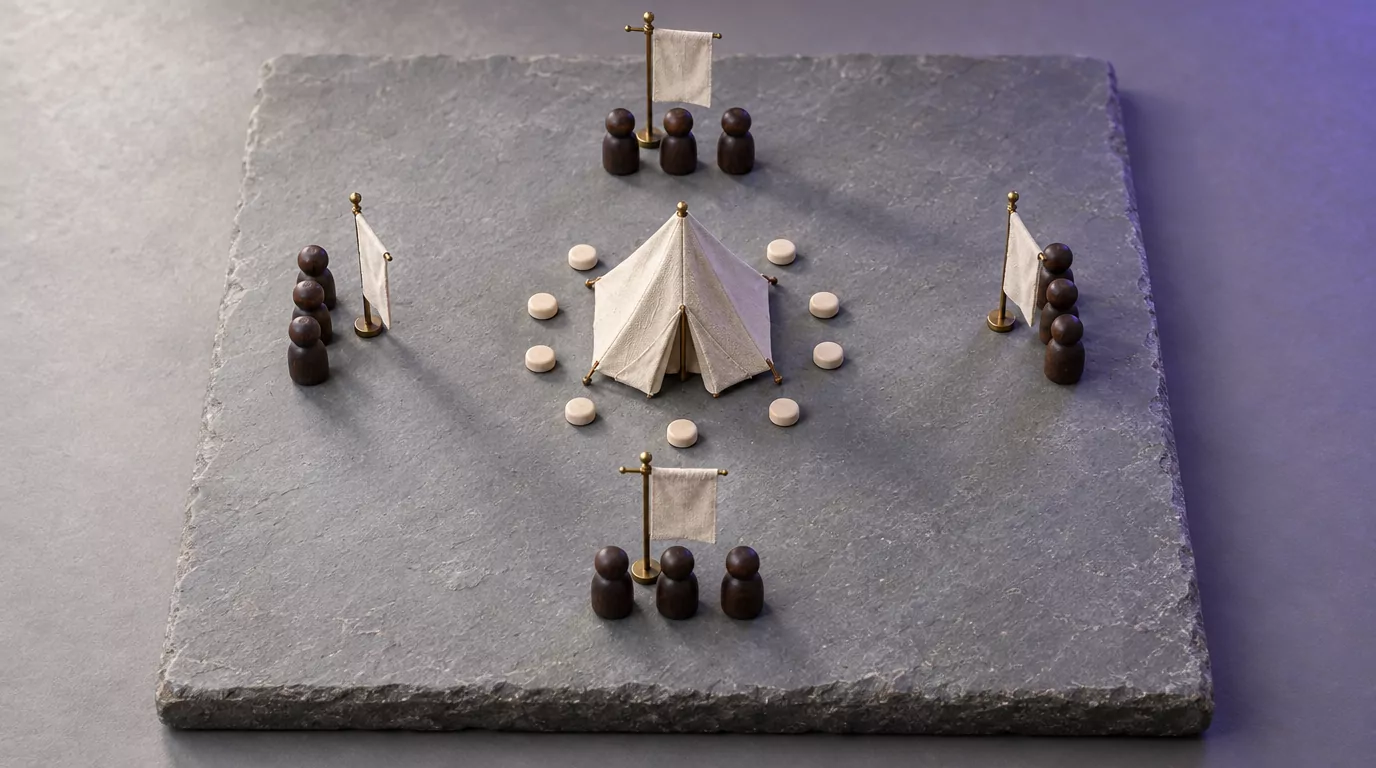
- Numbers 1 to 2: the census and the camp. Levi is set apart around the tabernacle, and Ephraim and Manasseh are counted as tribes. The camp puts three tribes on each side of the Tent of Meeting (Numbers 2).
- Revelation 7:5-8: a vision that lists twelve tribes. It names Levi and Joseph alongside Manasseh, and it does not name Dan or Ephraim.
Revelation 7 does not say why Dan and Ephraim are missing. Readers and traditions explain the list in different ways, and this guide leaves that question with them.
Where You Meet the Tribes as You Read the Bible
Tribe names cluster in a few places. Once you know where they are coming, they feel less like a wall.
Here is a reading map in Bible order, from Numbers and Joshua through Judges and beyond. If the order of the books is still new to you, this list of the books of the Bible in order helps.
| Passage | What happens with the tribes |
|---|---|
| Genesis 29 to 30 and 35 | The twelve sons are born and then listed by mother. |
| Genesis 48 to 49 | Jacob adopts Ephraim and Manasseh, then speaks to each son. |
| Numbers 1 to 2 | A census by tribe, and the camp set up by standards around the Tent of Meeting. The total is 603,550 (Numbers 1:46). |
| Numbers 26 and 32 | A second census. The land is to be "divided by lot" (Numbers 26:55, NHEB, excerpt). Reuben, Gad and half of Manasseh settle east of the Jordan (Numbers 32:33). |
| Deuteronomy 33 | Moses blesses the tribes before his death (Deuteronomy 33:1). Simeon is not named in this chapter. |
| Joshua 13 to 21 | The land is divided. Moses had already given land east of the Jordan to Reuben, Gad and half of Manasseh (Joshua 13:8). The rest goes to "the nine tribes and the half-tribe of Manasseh" (Joshua 13:7, NHEB, excerpt), shared out by Eleazar the priest, Joshua and the heads of the tribes (Joshua 14:1). |
| Judges | Leaders come from different tribes: Barak, Gideon, Tola, Elon and Samson's family. |
| 1 Kings 11 to 12 | The kingdom divides. Ten tribes follow Jeroboam, while Judah, with Benjamin, stays with Rehoboam (1 Kings 11:31-32; 12:20-21). |
| 2 Kings 17 | Assyria takes Samaria and carries Israel away (2 Kings 17:6). |
| 1 Chronicles 1 to 9 | Long family lists. After the sons of Israel are named (1 Chronicles 2:1-2), many of the lines that follow are grouped by tribe. |
| New Testament | Matthew 1:2-3, Anna of Asher (Luke 2:36), "our twelve tribes" (Acts 26:7, NHEB, excerpt), Paul of Benjamin (Philippians 3:5), Hebrews 7:14, James 1:1 and Revelation 7. |
Genesis 49 ends Jacob's words to his sons with a summary line worth knowing:
"All these are the twelve tribes of Israel, and this is what their father spoke to them and blessed them. He blessed everyone according to his blessing." (Genesis 49:28, NHEB)
One small note on James 1:1. The letter greets "the twelve tribes which are in the Diaspora" (NHEB, excerpt), and the NHEB names its writer "Jacob," where many translations say "James."

When you reach a list-heavy chapter, keep the chart above open. Read the names once without stopping to study each one, then slow down again when the story picks up.
For more help with the hard stretches, see these tips for getting through the census chapters in Numbers. You can also open Joshua 13 to see how a land chapter reads.
Where These Chapters Fall in a One-Year Plan
If you read with a one-year plan, these chapters arrive on set days. In the Classic 365-Day Plan on the free BibleMate web reader, each of these days pairs Old Testament chapters with a New Testament chapter, a psalm and a Proverbs chapter.
- Day 10 includes Genesis 28 to 30, where most of the sons are born.
- Day 17 includes Genesis 49 to 50 and Exodus 1.
- Day 40 of the Classic plan includes Numbers 1 to 3, the census and the camp, alongside Mark 12, Psalm 40 and Proverbs 9.
- Days 67 to 70 cover Joshua 12 to 23, which take in the land chapters (Joshua 13 to 21). Day 67, the first Joshua land day, also has Luke 23, Psalm 67 and Proverbs 5.
- Day 71 includes Joshua 24 and Judges 1 to 2.
In the Chronological Bible Plan, Day 40 includes Numbers 1 and Day 41 reads Numbers 2 to 5. Day 61 covers Joshua 12 to 15, Day 63 covers Joshua 20 to 23, and Day 131 reaches 2 Kings 14 to 17. The chronological plan guide explains that order.
The website is free and needs no account, and your progress is saved in this browser. Each reader page shows that day's time estimate, so you can see how long a land day runs before you start. For more on pacing a full year, see this guide to a one-year Bible reading plan.

Keep Reading Through the Lists
The name lists are a small part of the Bible, but they come at points where many readers stall. If Numbers or Joshua stopped you before, you can begin again. Your next reading matters more than the day you missed.
Take the lists one day at a time. Read the names, notice the family each one belongs to, and keep going when the story returns.
If you like reading the story in historical order, a chronological schedule sets these chapters among the events around them. To see how the whole Bible story fits together, a short summary gives the tribes their wider setting.
BibleMate is on the App Store for iPhone and on Google Play for Android, free to download with optional in-app purchases. In the app, Day 1 is open to everyone, and later days need BibleMate Pro. If you prefer your browser, the free web reader needs no account.
Frequently Asked Questions
Which tribe of Israel did Jesus come from?
Judah. Matthew's genealogy runs through "Jacob the father of Judah and his brothers" (Matthew 1:2, NHEB, excerpt). Hebrews 7:14 says it directly: "For it is evident that our Lord has sprung out of Judah, about which tribe Moses spoke nothing concerning priests." (NHEB)
Why is Joseph not one of the 12 tribes of Israel?
Joseph's line became two tribes through his sons, Ephraim and Manasseh (Genesis 48:5; Joshua 14:4). Some lists still use his name, such as "the tribe of Joseph" in Numbers 13:11 and Revelation 7:8 (NHEB, excerpt).
How many tribes received land in the Promised Land?
Twelve. Levi received cities instead of territory, and Joseph's share went to Ephraim and Manasseh. Two and a half tribes settled east of the Jordan (Joshua 14:3), and nine and a half received land west of it (Joshua 13:7).
Who is the father of the 12 tribes of Israel?
Jacob, whose name was changed to Israel (Genesis 32:28; 35:10). He was the son of Isaac and the grandson of Abraham.
What are the 12 tribes of Israel in order?
There is no single order. Birth order (Genesis 29 to 30 and 35), the order of Jacob's words in Genesis 49 and the camp order in Numbers 2 all differ. The birth-order list above is the easiest place to start.